
What Should a Butane Gas Cartridge Factory Provide?
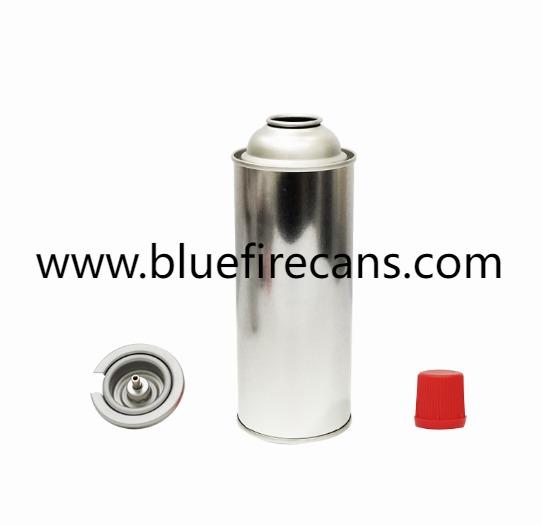
Butane Gas Cartridge Factory selection requires careful attention to product specifications, valve compatibility, production controls, packaging, and order coordination. For importers, distributors, outdoor equipment retailers, and private-label businesses, the purchasing process involves more than comparing quotations. A supplier should explain available product options, provide relevant technical information, and discuss how an order will be handled from initial inquiry to shipment. Asking specific questions early can help buyers identify potential issues before making a purchasing commitment.
Does the Product Match Your Intended Application?
Start by explaining how the product will be used and which appliances it needs to support. Different applications may require different dimensions, capacities, valve arrangements, and operating conditions. Buyers should confirm these details rather than relying on appearance or general descriptions.
Request a specification sheet for the model under consideration. Depending on the design, useful information may include container dimensions, net fuel content, valve thread details, applicable standards, and packaging configuration.
Compatibility deserves particular attention when a distributor already sells camping stoves or portable burners. The connection must match the intended equipment, and relevant technical requirements should be confirmed before an order is approved. If uncertainty remains, request samples for evaluation under appropriate testing procedures.
What Inspection Procedures Are Used During Production?
Purchasing teams should understand how quality is monitored at different stages. Ask about incoming material checks, forming operations, valve assembly, filling controls where applicable, and final inspection before dispatch.
For pressurized fuel containers, buyers should also ask about leak testing, pressure-related tests, and batch identification. Request records or supporting documents that relate to the specific model being purchased. The scope of testing and the acceptance criteria should be explained clearly.
Avoid relying on general statements about quality. Instead, ask what is inspected, how results are recorded, and how items that fail inspection are handled. These questions help buyers understand the supplier's procedures and provide a practical basis for evaluating whether the proposed arrangement meets their purchasing requirements.
Which Documents Should Buyers Review?
Technical and compliance documentation should be considered before production begins. Requirements may vary according to the destination market, product design, transport method, and intended application.
Ask which test reports, certificates, declarations, and product records are available for the selected model. Check the issuing body, validity where applicable, product identification, and relevant standard. A document for a different size or configuration should not automatically be treated as proof of compliance for the item being ordered.
Buyers should also identify local import requirements and any transport rules that apply to pressurized flammable contents. When necessary, consult a qualified compliance specialist or the relevant authority. Confirming documentation early can help reduce uncertainty during shipping and customs preparation.
Can Packaging and Branding Requirements Be Accommodated?
Packaging affects product presentation, storage, and distribution. Businesses selling under their own labels should discuss artwork, printing, carton specifications, language requirements, and shipping labels before approving an order.
Ask which customization options are available, whether artwork proofs can be reviewed, and how changes are approved. Confirm minimum quantities, setup charges, and any additional production time associated with customized packaging.
A written approval process can help prevent differences between the agreed design and the delivered goods. Buyers should also clarify which technical markings or regulatory information must remain visible, even when custom artwork is requested.
For repeat orders, keep approved artwork and packaging specifications on record. This makes it easier to compare new quotations and communicate revisions without rebuilding the entire brief.
How Should Price and Delivery Terms Be Compared?
A quotation should clearly explain the commercial terms. In addition to unit price, check minimum order quantities, sample charges, packaging costs, payment conditions, shipping arrangements, and any other agreed fees.
Ask for an estimated production schedule and clarify when the delivery period begins. Confirm the shipping term, the party responsible for transport arrangements, and the documents needed before dispatch. If the goods are intended for a seasonal campaign, share the required arrival window early and ask whether the proposed schedule is realistic.
Comparisons are more useful when each supplier quotes against the same specifications and order quantity. A lower initial figure may not represent the full purchasing cost if packaging, testing, or transport-related charges are excluded. A written quotation makes these differences easier to assess.
What Support Is Available After an Order Is Placed?
Communication matters throughout the transaction. Buyers should know who handles technical questions, order updates, document requests, and reports of damaged or nonconforming goods.
Ask how production progress is communicated and what information is needed if an issue arises after delivery. Batch references, photographs, shipment records, and inspection results may help both parties review a concern. Agree on a process for submitting claims and discussing possible corrective actions.
For distributors planning repeat purchases, it is also useful to discuss forecast sharing, stock planning, and how specification changes will be confirmed. Clear written records help both sides work from the same requirements and make later orders easier to coordinate.When comparing options for your business, bluefirecans provides a starting point for discussing product specifications, packaging needs, and purchasing arrangements. Prepare your intended application, target quantity, destination market, and documentation questions before requesting a quotation. You can review the available product range and contact the team through https://www.bluefirecans.com/ to discuss the requirements for your planned order.

 English
 French
 Spanish
 Portuguese
 Deutsch
 Turkish
 Dutch
 Italiano
 Russian
 Romaian
 Portuguese (Brazil)
 Greek