
What Brand Details Should a Yoga Suit Factory Manage for You
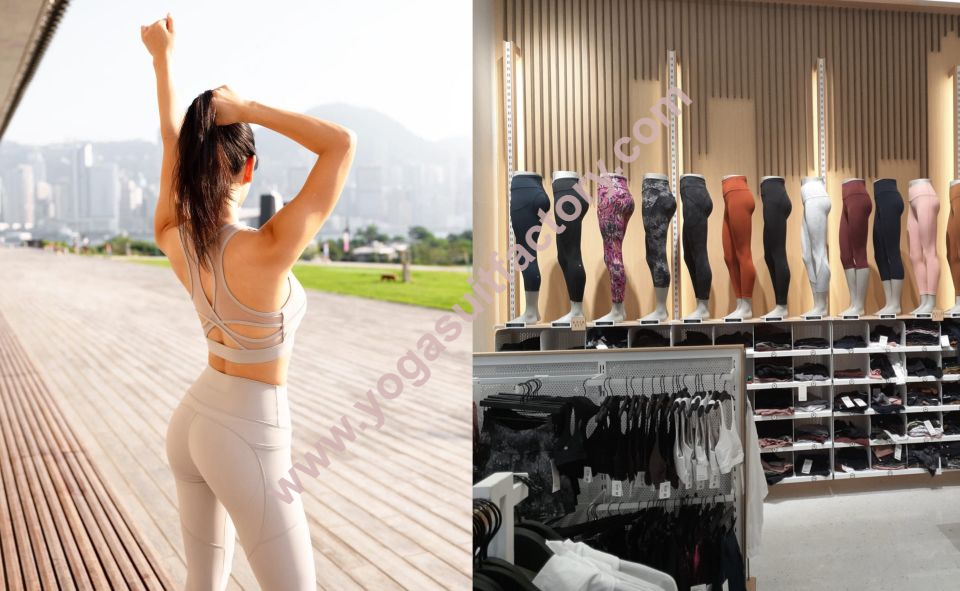
A brand lives or dies on details that customers touch without thinking about them: the woven label resting against the neck, the hangtag swinging from a strap, the poly bag that arrives on a doorstep. Buyers exploring a new supplier often ask whether a Yoga Suit Factory
can manage these elements alongside the garment, and the honest answer requires separating what belongs in-house from what runs through outside partners. Yongxing, the team behind YogasuitFactory, handles label attachment, hangtag application, and packaging assembly as part of its production line, which means brand details do not get lost between separate vendors. So how does the process actually work from purchase order to packed carton?
Labels Attached at the Sewing Stage
A woven or printed label applied after the garment is finished tends to sit crooked, pucker the fabric, or fail to survive repeated washing. Attaching labels during sewing solves those problems because the seam holds the label flat against the fabric from the start. Neck labels, side seam labels, and hem tags each require a different position and stitch pattern, and the factory plans these positions during sampling rather than improvising on the line. Sizing and care labels follow the same rule: they enter the garment at construction, not afterward.
Hangtags, Barcodes, and Retail Readiness
Hangtags carry brand identity, pricing, and barcode information for retail scanning. A supplier that prints and attaches hangtags in the same facility shortens the path between sewing and packing, and it keeps tag placement consistent across an order. Barcode accuracy matters for brands selling through distributors or marketplaces, because a mismatched code turns into a return. Order-specific tag data gets confirmed before production begins, which prevents a full run from arriving with incorrect retail information.
Packaging That Matches the Garment
Poly bags, tissue wrap, and size stickers seem simple until an order arrives with mismatched stickers or bags that tear in transit. Coordinating packaging with the same production schedule keeps bag sizing aligned to the folded garment and keeps stickers aligned to the correct size and color. Brands selling directly to consumers sometimes request mailer-ready packaging, and that requirement gets planned alongside folding and carton packing rather than added at the end.
Where Custom Requests Fit
Anti-slip silicone strips on waistbands, modular functional components, and customer-specific logos all belong to the same customization conversation as tags and packaging. Planning these requests together during sampling prevents conflicts, such as a silicone waistband that interferes with a particular label position or a fold pattern that hides a brand tag. A Yoga Suit Factory that treats branding, function, and packing as one plan removes the back-and-forth that stretches a production timeline.
Planning Brand Details Before the First Cut
Brand elements deserve confirmation before fabric gets cut, because changes after sewing begins cost time and money. Confirming label artwork, tag data, bag dimensions, and sticker content during sampling keeps the production run clean. Yongxing, operating as a Yoga Suit Factory with in-house knitting and seamless production, coordinates these details within a single order flow, and brands can review the company's capabilities and customization options at https://www.yogasuitfactory.com/PRODUCT before finalizing specifications. Details confirmed early arrive correct, and correct details keep customers coming back.

 Arabic
 French
 Spanish
 Portuguese
 Deutsch
 Turkish
 Dutch
 Italiano
 Russian
 Romaian
 Portuguese (Brazil)
 Greek