
What Should Buyers Confirm Before Choosing a Custom Cabinet Factory
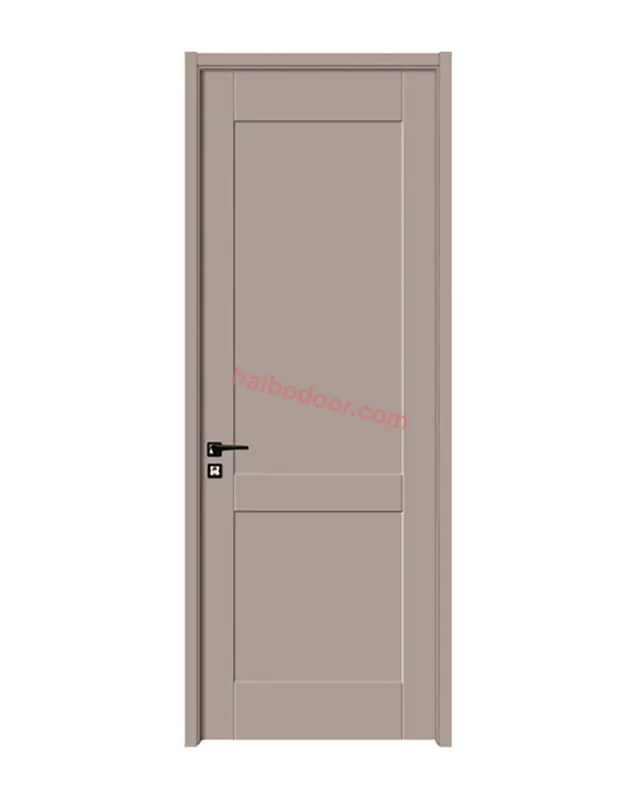
Cabinetry carries more daily interaction than almost any other element in a building. Doors swing open and closed dozens of times each day, drawers slide under load, and shelves hold the weight of everything stored on them. When a project requires cabinetry fitted to specific dimensions and storage needs, working with a Custom Cabinet Factory that controls material selection and assembly quality determines whether those interactions stay smooth over years of use. The factory behind the cabinets decides whether doors stay aligned, drawers track properly, and finishes resist the wear that kitchens and bathrooms impose.
Material foundations
Cabinet construction relies on several material systems that must be matched to the demands of each application. The cabinet box and shelves provide structural support, and the substrate choice affects how the unit handles moisture and load over time. Solid wood offers durability and the ability to be refinished, while plywood delivers strength and resistance to warping in humid conditions. Engineered options such as MDF provide smooth surfaces that suit painted finishes, and particleboard serves budget-sensitive projects when properly covered. Door and drawer fronts introduce a second material layer, and the finish applied over that layer determines appearance and cleanability. Buyers should ask how the factory matches substrates to application rather than applying one specification across every project.
Selection guide for buyers
The first criterion is design and measurement capability, since custom cabinetry begins with accurate site dimensions and workable drawings. The second is material transparency: a factory that explains substrate options and their trade-offs demonstrates application knowledge. The third is hardware specification, because hinges and drawer slides determine how the cabinetry feels in daily use more than any other component. The fourth is finish control, since color matching across cabinet runs matters when units appear in the same room. The fifth is installation support and documentation, which determines how smoothly a project proceeds from delivery to final adjustment.
Function and technology
Cabinet performance depends on how well the factory controls cutting, edge-banding, and assembly. Precision cutting ensures that boxes square correctly and doors align without shimming. Edge-banding protects the substrate at exposed edges and determines whether moisture enters the core. Assembly methods affect rigidity: dowels, cam fittings, and proper fastening keep units stable under load. Hardware installation requires accurate boring, since misaligned hinge positions cause doors to rub or sag. Factories with modern equipment and inspection routines catch these issues before shipment, which reduces site adjustments and callbacks.
User experience in the field
Homeowners and facility managers notice cabinetry behavior after installation. Doors that close softly and stay aligned signal quality, while drawers that track smoothly under load confirm that hardware and assembly were specified correctly. Surfaces that wipe clean reduce maintenance labor in kitchens and bathrooms. Installers appreciate units that arrive square and dimensionally accurate, since site modification consumes time and introduces risk. For commercial projects, the durability of hinges and slides under heavy use shapes long-term satisfaction.
Design and appearance
Custom cabinetry shapes the visual character of a kitchen or bathroom more than most fixtures. Door profiles, panel details, and finish selection establish whether a space reads as modern, transitional, or traditional. Factories that maintain coordinated finish collections allow designers to match cabinetry with doors, wall panels, and wardrobes for a unified interior scheme. Handle selection and hardware finish complete the composition, and consistent color control across production runs preserves the design intent once the cabinetry is installed.
Precise measurement, matched substrates, and dependable hardware are the foundations of cabinetry that fits a space and serves it for years, and these are the standards worth applying when evaluating a Custom Cabinet Factory. Buyers can compare formats and options at https://www.haibodoor.com/ to identify a specification that matches their project dimensions and storage requirements.

 English
 Arabic
 French
 Spanish
 Deutsch
 Turkish
 Dutch
 Italiano
 Russian
 Romaian
 Portuguese (Brazil)
 Greek