
How Pregnancy Scans Help Monitor Baby’s Organ Development
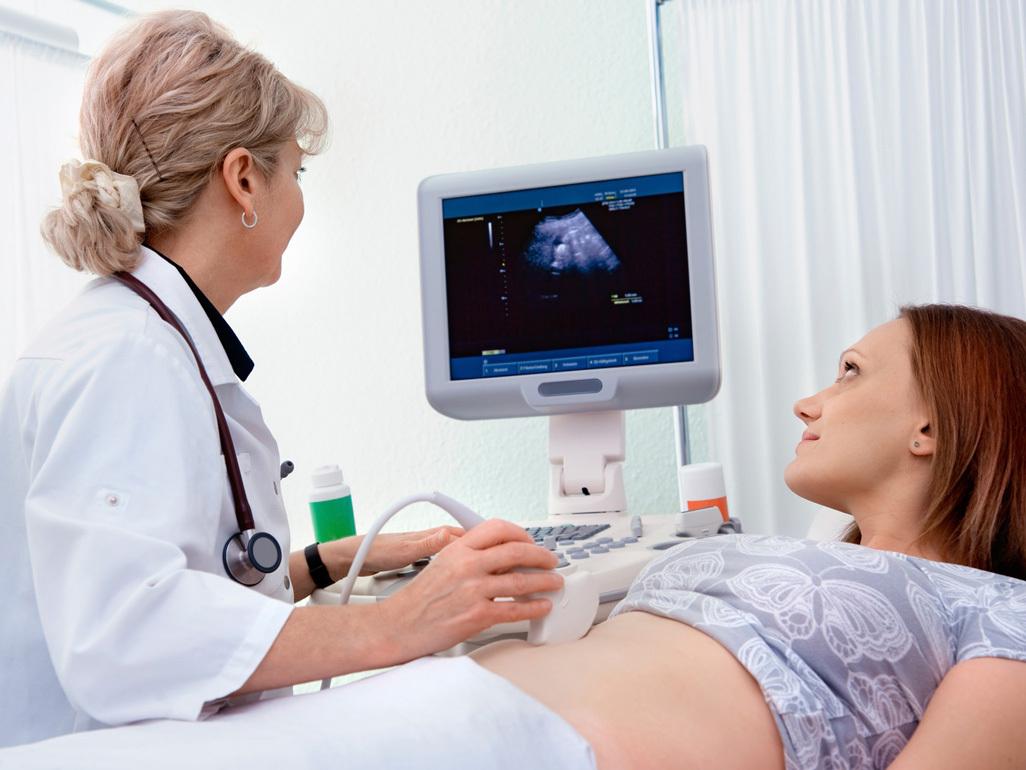
Pregnancy is a special and exciting journey, but it also comes with many responsibilities for expecting parents. One of the most important aspects of prenatal care is monitoring the baby’s development to ensure that organs and body systems are growing properly. Pregnancy scans, also called prenatal ultrasounds, play a crucial role in tracking this development, giving both parents and doctors valuable information about the baby’s health.
For some pregnancies, doctors may recommend additional testing, such as the amniocentesis test in Chandigarh, especially if a screening scan indicates a potential risk for chromosomal or genetic conditions. Understanding how pregnancy scans work and how they help monitor your baby’s organ development can make the pregnancy experience less stressful and more informed.
In this blog, we will discuss the different types of pregnancy scans, their purposes, and why they are essential for monitoring your baby’s growth and organ development.
Why Pregnancy Scans Are Important
Pregnancy scans are an essential tool for tracking the health and development of the baby. They provide real-time images of the baby’s organs and body, allowing doctors to assess growth and detect any potential issues. Scans can also help:
-
Estimate the due date
-
Confirm the number of babies in the womb
-
Monitor organ development and overall growth
-
Detect structural abnormalities early
-
Guide further testing if needed
By monitoring the baby’s organs, scans can detect potential heart defects, kidney problems, or other developmental issues early. Early detection is critical because it allows parents and doctors to make informed decisions and prepare for proper medical care.
First-Trimester Scans (Weeks 6–14)
The first trimester is a vital period for organ development. During this stage, the baby’s heart, brain, and other organs begin forming. The following scans are commonly recommended:
1. Dating Scan
This scan is usually performed between 6–10 weeks to:
-
Confirm the pregnancy
-
Detect the heartbeat
-
Estimate the gestational age
-
Check for multiple pregnancies
The dating scan provides a baseline for all future scans and ensures the pregnancy is progressing normally.
2. NT Scan (Nuchal Translucency)
The NT scan is performed between 11–14 weeks. It measures the fluid at the back of the baby’s neck and is used to assess the risk of chromosomal conditions like Down syndrome.
The NT scan also allows doctors to observe early organ development, such as:
-
Heart structure
-
Spine alignment
-
Basic limb formation
While the NT scan is a screening tool, it can provide valuable early insight into the baby’s development.
Second-Trimester Scans (Weeks 18–22)
The second trimester is often called the “anatomy scan” period because detailed imaging is done to examine the baby’s organs in depth.
Anatomy Scan
The anatomy scan is performed between 18–22 weeks. This is one of the most comprehensive scans of pregnancy and is critical for monitoring organ development.
During this scan, doctors examine:
-
Heart and major blood vessels
-
Brain and skull development
-
Kidneys and bladder
-
Lungs and diaphragm
-
Stomach, intestines, and liver
-
Spine and skeletal structure
-
Face and limbs
The scan can also detect structural abnormalities that might require further evaluation or early intervention.
Amniotic Fluid and Placenta Assessment
The anatomy scan also evaluates:
-
Amniotic fluid levels, which support organ growth
-
Placenta position and health, which affects oxygen and nutrient supply
If doctors notice any irregularities in organ development, they may recommend further testing. In some cases, this could include procedures like where to get amniocentesis in Chandigarh for genetic evaluation.
Third-Trimester Scans (Weeks 28–40)
Later in pregnancy, scans focus on growth and organ function to ensure the baby is preparing for delivery.
Growth Scan
This scan monitors:
-
Weight and overall size
-
Organ size and function
-
Movements and breathing patterns
-
Placenta and umbilical cord health
Monitoring organ growth in the third trimester helps identify growth restrictions, heart issues, or lung development concerns.
Doppler Scan
In high-risk pregnancies, a Doppler scan may be used to measure blood flow in the baby’s heart, brain, and umbilical cord. This ensures organs are receiving enough oxygen and nutrients.
How Scans Help Identify Potential Problems
Pregnancy scans allow early detection of organ-related concerns such as:
-
Heart defects
-
Kidney malformations
-
Brain abnormalities
-
Digestive system issues
If a potential problem is identified, doctors can suggest:
-
Closer monitoring
-
Additional scans or diagnostic tests
-
Consultation with specialists
-
Early planning for medical care after birth
This proactive approach improves outcomes for both the baby and mother.
Safety of Pregnancy Scans
Pregnancy scans are generally safe when performed by trained professionals. Ultrasound uses sound waves instead of radiation, making it safe for both mother and baby. Most scans are non-invasive and painless.
Even repeated scans throughout pregnancy do not pose risks, which is why they are widely used in prenatal care worldwide.
Preparing for a Pregnancy Scan
Preparation depends on the type of scan:
-
Full bladder: Some early scans may require a full bladder for better imaging.
-
Comfortable clothing: Loose clothing allows easier access for abdominal scans.
-
Medical history: Carry previous reports and test results for accurate comparison.
-
Questions: Prepare questions for your doctor regarding organ development or any concerns.
Being prepared helps the scan process run smoothly and ensures accurate results.
Emotional Support During Scans
Waiting for scan results can be stressful for expecting parents. It is important to remember that:
-
Most babies develop normally
-
Scans are done to provide guidance and ensure safety
-
Any abnormal findings are usually manageable with proper care
Doctors and counselors can provide support and clear explanations to help reduce anxiety during pregnancy.
Choosing the Right Diagnostic Centre
Accurate scans depend on equipment quality and the expertise of the medical team. Look for a centre that provides:
-
Experienced radiologists and sonographers
-
Modern ultrasound machines
-
Clear reporting and guidance
-
Comfortable environment
A trusted centre can also guide you if advanced testing, such as the amniocentesis test in Chandigarh, is required for a more detailed genetic evaluation.
Conclusion
Pregnancy scans are a critical part of monitoring the baby’s organ development. From early NT scans to detailed anatomy scans and growth monitoring, these scans ensure that any potential issues are identified and addressed early.
Regular prenatal scans not only help track the baby’s physical development but also provide peace of mind for parents. Choosing experienced specialists and reliable diagnostic centres ensures accurate results and a safer pregnancy journey for both mother and baby.
Whether it’s routine imaging or advanced testing like amniocentesis, monitoring organ development helps parents and doctors provide the best care possible during pregnancy.

 English
 Arabic
 French
 Spanish
 Portuguese
 Deutsch
 Turkish
 Dutch
Dutch
 Italiano
 Russian
 Portuguese (Brazil)
 Greek
Greek