
Does Dry Scalp Cause Hair Loss? Understanding the Connection Between Scalp Health and Stronger Hair
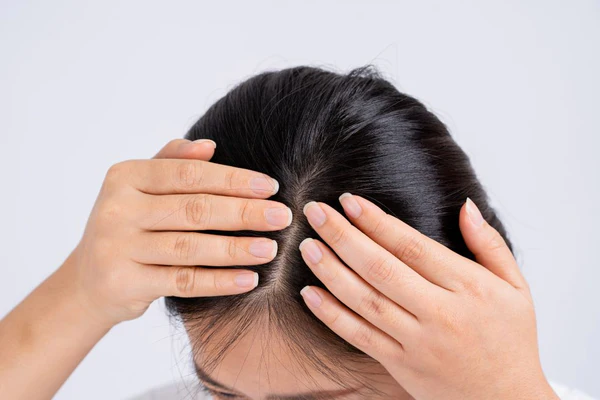
Healthy hair starts with a healthy scalp. Yet many people spend most of their time focusing on shampoos, conditioners, oils, and styling products without paying attention to what is happening underneath the hair follicles. A dry, irritated scalp is one of the most common concerns affecting people of all ages, especially in environments with pollution, changing weather conditions, and excessive use of chemical-based products.
Many individuals experiencing excessive shedding often ask an important question: does dry scalp cause hair loss? The answer is more complex than a simple yes or no. While dry scalp itself may not directly destroy hair follicles permanently, it can create conditions that weaken hair roots, increase breakage, and contribute to temporary hair thinning.
Understanding how scalp hydration, inflammation, product buildup, and daily habits affect hair growth is essential for maintaining stronger and healthier hair. This guide explores the relationship between scalp dryness and hair fall, the symptoms to watch for, and practical ways to restore scalp balance naturally.
What Is a Dry Scalp?
A dry scalp occurs when the skin on the scalp lacks sufficient moisture and natural oils. Similar to dry skin on other parts of the body, the scalp can become flaky, itchy, irritated, and sensitive when hydration levels drop.
Several factors contribute to scalp dryness, including:
-
Cold or dry weather
-
Overwashing the hair
-
Harsh shampoos with sulfates
-
Excessive heat styling
-
Dehydration
-
Poor nutrition
-
Skin conditions like eczema or psoriasis
-
Aging and hormonal changes
People with dry scalp often notice tiny white flakes on their clothing or shoulders. Unlike dandruff caused by excessive oil and fungal activity, dry scalp flakes are usually smaller and less greasy.
Scalp dryness can also lead to discomfort that encourages frequent scratching, which may further irritate the scalp and weaken the hair roots over time.
Understanding the Hair Growth Cycle
To understand the relationship between scalp health and shedding, it helps to know how hair naturally grows.
Hair growth occurs in three major phases:
1. Anagen Phase
This is the active growth stage where hair follicles continuously produce new strands. This phase can last several years.
2. Catagen Phase
A short transitional period where the hair follicle begins shrinking.
3. Telogen Phase
The resting phase where older hair sheds to make room for new growth.
Every person loses some hair daily as part of the natural cycle. However, problems arise when the scalp environment becomes unhealthy, leading to increased shedding or weakened regrowth.
A chronically dry scalp may disrupt the optimal environment needed for healthy follicles to thrive.
Does Dry Scalp Cause Hair Loss?
The question does dry scalp cause hair loss is widely searched because many people notice more shedding when their scalp becomes itchy or flaky.
In most cases, dry scalp does not directly cause permanent baldness. However, it can indirectly contribute to hair loss in several important ways.
Increased Hair Breakage
Dryness weakens both the scalp barrier and the hair strands themselves. Hair becomes brittle, rough, and more prone to snapping during brushing, washing, or styling.
Scalp Inflammation
Persistent dryness can lead to irritation and inflammation. Inflamed follicles may struggle to support healthy hair growth, which can increase shedding temporarily.
Excessive Scratching
Itchy scalp conditions often lead to scratching with fingernails. Repeated scratching can damage follicles, create micro-injuries, and weaken the roots.
Product Overuse
Many people try multiple anti-dandruff or cleansing products without understanding the actual issue. Harsh treatments may strip the scalp further, worsening dryness and increasing hair fall.
Weak Follicle Environment
Healthy follicles need balanced moisture and circulation. A dehydrated scalp may reduce the ideal conditions required for stronger hair development.
Although the condition is usually temporary and manageable, untreated dryness can create a cycle of irritation and shedding that affects hair density over time.
Difference Between Dry Scalp and Dandruff
Many people confuse dandruff with dry scalp, but the two conditions are not identical.
Dry Scalp
-
Small, dry flakes
-
Tight or rough feeling on the scalp
-
Itching caused by lack of moisture
-
Often linked to weather or harsh products
Dandruff
-
Larger, oily flakes
-
Excess sebum production
-
Sometimes linked to fungal overgrowth
-
May include redness and greasy patches
Understanding the difference is important because treatments vary. Using strong anti-dandruff products on an already dry scalp may worsen irritation and contribute to additional shedding.
Signs Your Scalp Health Is Affecting Your Hair
Scalp-related hair problems often develop gradually. Early identification can help prevent more severe damage.
Common signs include:
-
Persistent itching
-
Visible flakes on clothing
-
Tightness after washing hair
-
Increased hair fall while combing
-
Hair breakage near the roots
-
Red or irritated patches
-
Sensitivity during styling
-
Dull and lifeless hair texture
People experiencing both itching and shedding frequently search for solutions related to dry scalp hair loss because the symptoms often appear together.
Common Causes of Dry Scalp Hair Problems
Several lifestyle and environmental factors may worsen scalp dryness and indirectly affect hair health.
Overwashing
Washing hair too frequently removes the scalp’s natural protective oils. Without these oils, the scalp becomes dehydrated and irritated.
Hot Water Exposure
Very hot water strips moisture from both skin and hair. Repeated exposure can increase dryness significantly.
Harsh Hair Products
Shampoos containing sulfates, alcohol, or artificial fragrances may trigger scalp irritation in sensitive individuals.
Nutritional Deficiencies
Lack of nutrients like zinc, biotin, omega-3 fatty acids, iron, and vitamins A and D can affect scalp hydration and hair strength.
Stress and Lack of Sleep
Chronic stress impacts hormone balance and may worsen scalp conditions while increasing hair shedding.
Environmental Pollution
Dust, pollution, and UV exposure can weaken the scalp barrier and create oxidative stress around the follicles.
How to Prevent Dry Scalp Hair Loss
The good news is that scalp-related hair shedding is often reversible with consistent care and healthier habits.
Use a Gentle Shampoo
Choose sulfate-free shampoos designed for hydration and scalp balance. Avoid products with strong artificial fragrances if you have sensitive skin.
Limit Hair Washing
Washing hair two to three times per week may help preserve natural oils while keeping the scalp clean.
Apply Lightweight Oils
Natural oils like coconut oil, argan oil, jojoba oil, or almond oil can help restore moisture and reduce irritation.
Avoid Excessive Heat Styling
Frequent blow-drying, straightening, and curling weaken hair strands and worsen dryness.
Stay Hydrated
Proper hydration supports overall skin and scalp health from within.
Improve Nutrition
A nutrient-rich diet containing proteins, leafy vegetables, nuts, seeds, fish, eggs, and fruits supports stronger hair growth.
Manage Stress Levels
Exercise, meditation, and proper sleep can improve hormone balance and reduce stress-related shedding.
Best Ingredients for Scalp Hydration
Consumers today are becoming more aware of ingredient quality in hair care products. Certain ingredients are especially effective for improving scalp moisture.
Aloe Vera
Known for its soothing and hydrating properties, aloe vera helps calm irritated scalp skin.
Hyaluronic Acid
This ingredient attracts moisture and helps maintain hydration levels.
Tea Tree Oil
When used in balanced concentrations, tea tree oil may help reduce itchiness and irritation.
Niacinamide
Niacinamide supports skin barrier repair and improves scalp resilience.
Glycerin
A common humectant that helps retain moisture in the scalp.
Choosing products with scalp-friendly ingredients can make a significant difference in long-term hair health.
Can Dry Scalp Lead to Permanent Hair Loss?
In most situations, scalp dryness alone does not cause permanent follicle destruction. Once the underlying irritation is treated, hair growth usually improves.
However, prolonged inflammation, untreated skin disorders, aggressive scratching, or severe infections may contribute to more serious scalp damage in some cases.
People experiencing sudden hair thinning, bald patches, bleeding, severe redness, or persistent discomfort should consult a dermatologist or trichologist for professional evaluation.
Early intervention is always better than waiting until the condition becomes more severe.
Natural Remedies for Scalp Moisture Restoration
Many individuals prefer natural methods alongside medically approved treatments.
Coconut Oil Massage
Coconut oil penetrates the hair shaft effectively and may reduce protein loss while soothing dryness.
Aloe Vera Gel Application
Fresh aloe vera gel can calm irritation and provide hydration to the scalp surface.
Apple Cider Vinegar Rinse
Diluted apple cider vinegar may help balance scalp pH and remove product buildup.
Oatmeal Masks
Colloidal oatmeal has anti-inflammatory properties that can reduce itchiness and irritation.
Green Tea Rinse
Green tea contains antioxidants that support scalp protection against environmental stress.
Although natural remedies can be beneficial, consistency and moderation are important. Excessive experimentation with home treatments may worsen sensitivity.
Building a Long-Term Healthy Hair Routine
Hair care should focus on consistency rather than quick fixes. Strong, healthy hair usually reflects overall scalp condition and lifestyle habits.
A sustainable routine may include:
-
Gentle cleansing
-
Regular scalp hydration
-
Reduced chemical exposure
-
Balanced nutrition
-
Stress management
-
Minimal heat styling
-
Routine scalp massages
-
Adequate sleep and hydration
The modern beauty industry often prioritizes cosmetic appearance, but long-term hair wellness begins beneath the surface.
Consumers are increasingly realizing that treating the scalp like skincare is one of the most effective ways to maintain healthier hair growth naturally.
Final Thoughts
Scalp health plays a major role in overall hair quality, comfort, and appearance. While dry scalp may not directly cause permanent baldness, it can contribute to irritation, breakage, inflammation, and temporary shedding when left untreated.
For anyone asking, “does dry scalp cause hair loss,” the answer is that it can indirectly affect hair strength and create conditions that lead to increased shedding. Fortunately, most cases improve significantly with proper scalp care, hydration, gentle products, and healthier lifestyle habits.
Understanding the connection between dry scalp hair loss and follicle health allows individuals to make smarter decisions about their daily hair care routines. Instead of focusing only on external hair treatments, maintaining scalp balance should become a priority for anyone seeking thicker, stronger, and healthier-looking hair.
Healthy hair truly begins at the roots, and caring for the scalp is one of the most valuable investments a person can make for long-term hair wellness.

 English
 Arabic
 French
 Spanish
 Deutsch
 Turkish
 Dutch
Dutch
 Italiano
 Russian
 Romaian
 Portuguese (Brazil)
 Greek
Greek