
A Fan for Every Space: Analyzing Product Segments of the Ceiling Fan Market
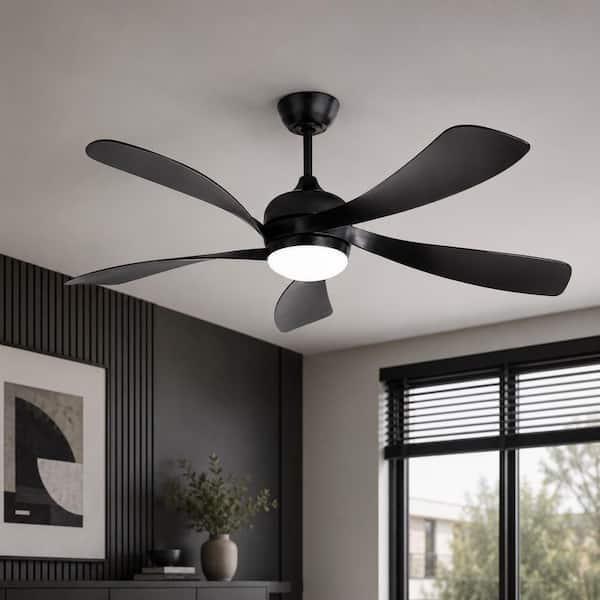
The ceiling fan market is segmented by product type, technology, and end-use, reflecting the diverse needs of residential, commercial, and industrial consumers. From standard AC models to energy-efficient BLDC fans and aesthetically-focused decorative fans, the Ceiling Fan Market offers a comprehensive range of products. Standard 3-blade AC models held approximately 40% of the market in 2025, though their share is declining as consumers trade up to decorative and energy-savings variants . This segmentation analysis explores the key product types and technologies that are shaping the future of this dynamic market.
Market Dynamics
Product segmentation in the ceiling fan market is driven by technology, design, and application.
Technology Segments: AC vs. BLDC Motors
AC motor-based fans captured about 58% of the market in 2025, but this position is eroding as regulatory minimums tighten . BLDC motor fans are projected to grow at a 6.60% CAGR, making them the fastest-growing technology segment . Their superior efficiency and compatibility with smart Wi-Fi controls make them the default choice for connected-home applications and green-building certifications. The cost gap between AC and BLDC models is narrowing, accelerating the adoption of energy-efficient BLDC ceiling fan technology.
Product Type Segments: Standard, Decorative, and Energy-Saving
Standard fans still account for the volume majority, particularly across price-sensitive South Asian and Sub-Saharan markets. However, value share is migrating toward decorative ceiling fans with light variants, which command ASPs two to three times higher than standard models . The decorative segment is driven by the convergence of interior design trends and the preference for minimalist, multi-function fixtures. Energy-saving SKUs powered by BLDC motors are the fastest-growing product type, propelled by regulatory mandates and falling costs.
End-User Segments: Residential, Commercial, and Industrial
Residential applications accounted for roughly USD 9.73 billion in 2025, reflecting the dominance of household demand . Commercial applications are expected to rise at a 5.65% CAGR through 2035 as hospitality, retail, and office facilities adopt smart Wi-Fi ceiling fan control systems for energy management and guest comfort. Industrial applications, including warehouses and agricultural buildings, rely on specialized HVLS fans.
Distribution Channels: The Rise of Online Retail
Multi-brand retail stores represented about 42% of distribution in 2025, but online sales are advancing at a 6.23% CAGR . E-commerce channels are compressing the lead of brick-and-mortar stores by bundling delivery with professional ceiling fan installation services, reducing the friction that has historically slowed replacement cycles.
Regional Outlook
In Asia-Pacific, standard and energy-saving fans are dominant. North America and Europe are key markets for decorative and smart ceiling fans. For detailed product segmentation, refer to the Ceiling Fan Market.
Competitive Landscape
Competition varies by segment. In standard fans, price and volume are key. In decorative and smart fans, design aesthetics, connectivity features, and brand reputation are paramount.
Conclusion
The product segmentation of the ceiling fan market reveals a clear evolution toward energy efficiency and premiumization. The growth of BLDC technology, decorative designs, and commercial applications reflects the market's adaptation to regulatory pressures, consumer preferences for style and sustainability, and the expanding role of smart home integration.
FAQs
1. What is the dominant technology in the ceiling fan market?
AC motor-based fans currently dominate with about 58% share, but BLDC motor fans are the fastest-growing segment at a 6.60% CAGR .
2. What is the fastest-growing product type?
Energy-savings SKUs powered by BLDC motors are the fastest-growing product type, propelled by regulatory mandates and falling costs .
3. How are ceiling fans distributed?
Multi-brand retail stores represent about 42% of distribution, but online sales are growing rapidly at a 6.23% CAGR . For more information, visit the Ceiling Fan Market.

 English
 Arabic
 French
 Spanish
 Portuguese
 Deutsch
 Turkish
 Dutch
Dutch
 Italiano
 Russian
 Portuguese (Brazil)
 Greek
Greek