
Do Sensor or Nozzle Faults Halt Automatic Gluing Machine Performance at CenWanMachine Chengwang
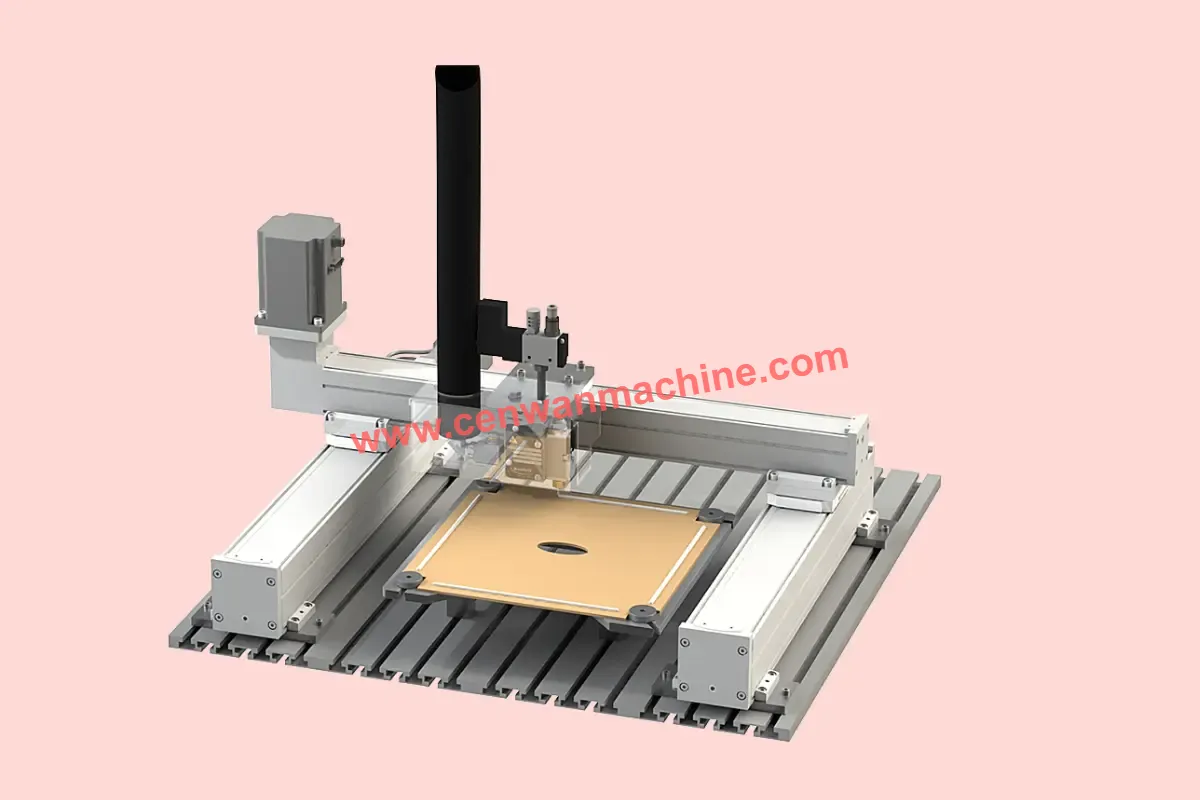
Operators encounter situations where an Automatic Gluing Machine and cenwanmachine unit ceases proper function during a production run, leaving adhesive application incomplete or inconsistent. Glue may fail to dispense, sensors may register false readings, or mechanical drives may stall without obvious external damage. These interruptions disrupt workflow and require methodical diagnosis to identify the source. What primary conditions most frequently produce such operational stops?
Nozzle and applicator blockages rank among the frequent sources of interruption. Residual adhesive hardens inside narrow passages when temperature drops or cleaning intervals lengthen. Hot-melt systems prove especially sensitive to thermal fluctuations that allow material to solidify within the orifice. Cold-glue units face similar risks from dried residue that narrows the flow path. Regular flushing with approved solvents or thermal purging cycles clears these restrictions and restores even distribution across the substrate.
Sensor and detection faults create another category of stoppage. Optical or proximity sensors that monitor board presence, glue bead continuity, or fold accuracy may accumulate dust or adhesive mist that obscures readings. Misaligned sensors generate error signals that halt the line as a protective measure. Cleaning lenses and verifying mounting positions often returns accurate detection. Calibration procedures ensure the system recognizes legitimate product flow rather than environmental interference.
Pressure and pump irregularities affect adhesive delivery volume. Insufficient pressure produces gaps in the glue line, while excessive pressure causes overflow or splatter that triggers downstream sensors. Worn seals, clogged filters, or incorrect viscosity settings contribute to these imbalances. Checking pump output against manufacturer specifications and replacing degraded components stabilizes flow. Viscosity that matches the system design further supports consistent pressure across extended runs.
Temperature control deviations interrupt hot-melt applications in particular. Heating elements that cycle irregularly or thermocouples that drift from calibration allow adhesive to cool below optimal fluidity or overheat into degradation. Either condition alters flow characteristics and may activate safety interlocks. Verifying heater response and sensor accuracy keeps the material within the required range. Insulation integrity around hoses and tanks also limits heat loss that would otherwise demand compensatory overheating.
Mechanical alignment and drive problems introduce physical interruptions. Conveyor belts that stretch or shift cause substrates to misfeed relative to the glue head. Timing chains or gears that wear alter the synchronization between product movement and adhesive application. Visual inspection of belt tracking and tension, followed by adjustment or replacement of worn elements, restores coordinated motion. Lubrication schedules for moving parts reduce friction that accelerates such wear.
Electrical and control system anomalies complete the range of common causes. Loose connections, voltage fluctuations, or software parameter drift can freeze the sequence logic. Error codes displayed on the interface provide directional clues toward the affected circuit or module. Systematic testing of power supply stability and input-output signals isolates the fault. Restoring factory-default parameters after hardware correction frequently clears residual software conflicts.
After examining nozzle condition, sensor clarity, pressure stability, temperature accuracy, mechanical alignment, and electrical integrity the pathways to resumed operation become defined. Many interruptions trace to cumulative effects of routine wear or overlooked cleaning rather than sudden component failure. Facilities seeking equipment designed with accessible maintenance points and stable process controls may review current models at https://www.cenwanmachine.com where Chengwang production incorporates Automatic Gluing Machine and cenwanmachine considerations for sustained line performance.

 English
 Arabic
 French
 Spanish
 Portuguese
 Deutsch
 Turkish
 Dutch
Dutch
 Russian
 Romaian
 Portuguese (Brazil)
 Greek
Greek